
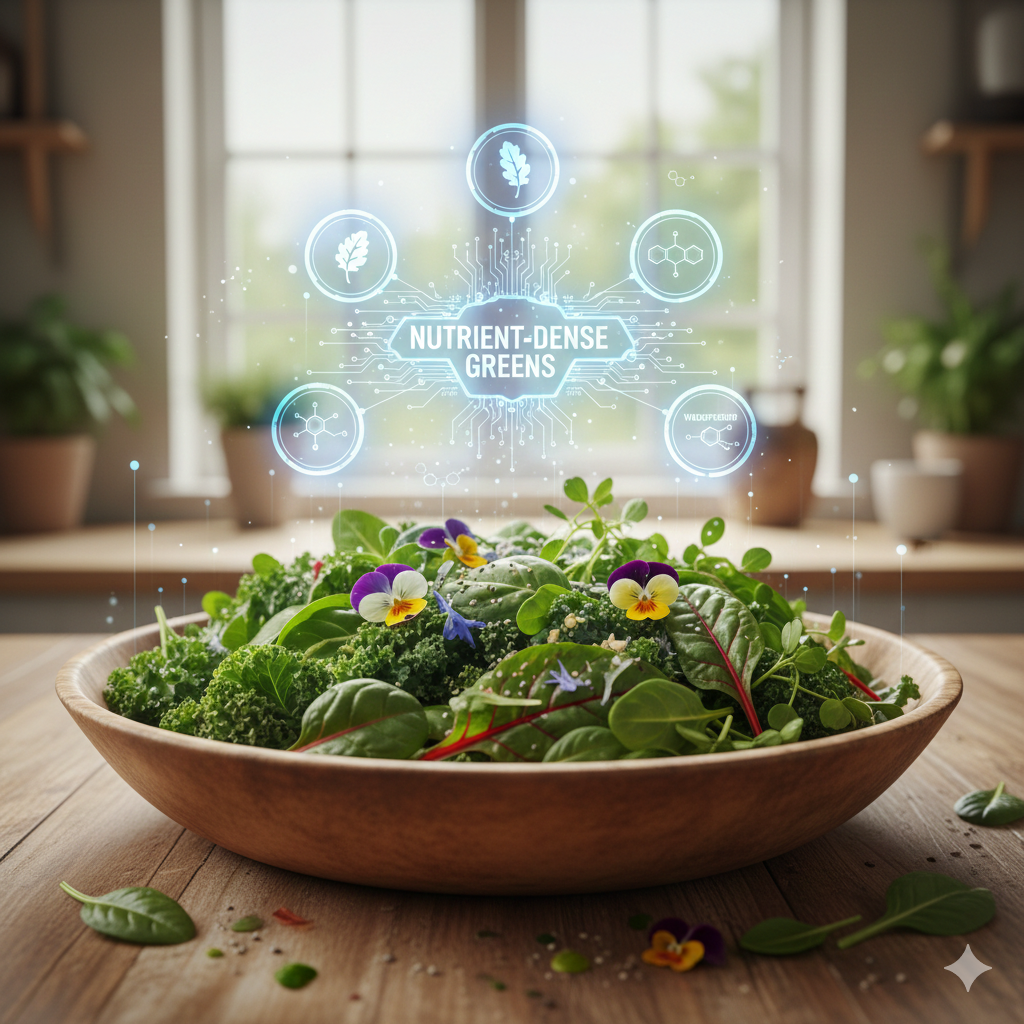
Lettuce is polite. It’s crisp, refreshing, and never offensive—but nutritionally, it mostly just shows up. If greens were a team, lettuce would be the friendly intern, not the powerhouse player.
Greens are supposed to do more than add crunch. They should fuel your body, support digestion, balance blood sugar, and deliver micronutrients your meals often miss. If your salad base hasn’t changed in years, you’re leaving serious nutrition on the table.
Why Variety in Greens Matters
Different greens contain different vitamins, minerals, antioxidants, and phytonutrients. Eating the same leaf every day limits what your body gets. Rotating greens improves nutrient diversity, gut health, and even how satisfied you feel after eating.
Here are five greens that deserve a permanent spot in your bowl.
1. Spinach: The Gentle Multitasker
Spinach is soft, versatile, and packed with iron, folate, and magnesium. It supports muscle function, energy production, and oxygen transport in the blood—all without overpowering flavor.
It’s perfect for people who want more nutrition without a bitter taste.
2. Kale: The Structural Support
Kale is dense, fibrous, and unapologetically nutritious. Rich in vitamin K, calcium, and antioxidants, it supports bone health and helps regulate inflammation.
When properly massaged with a good dressing, kale transforms from tough to tender—proving that technique matters as much as ingredients.
3. Microgreens: Small Leaves, Big Science
Microgreens may look delicate, but they’re nutritional overachievers. Studies show they can contain up to 5–40x more nutrients than their mature counterparts.
They’re rich in polyphenols and antioxidants that support cellular health, immunity, and recovery—especially important if you’re active or managing metabolic health.
4. Fenugreek (Methi) Greens: The Metabolic Ally
Methi leaves are a traditional green with modern relevance. They’re high in fiber and compounds that help improve insulin sensitivity and digestion.
Slightly bitter, deeply functional—this is a green that works quietly but powerfully in the background.
5. Amaranth (Chaulai) Greens: The Mineral Booster
Amaranth leaves are loaded with iron, calcium, and vitamin C. They support blood health and help improve mineral absorption—especially valuable in plant-forward diets.
They add body and substance to a bowl, making it feel more like a meal and less like a side.
The SproutBites Way: Greens with a Purpose
At SproutBites, greens aren’t filler—they’re functional. We mix and match leaves based on texture, digestibility, and nutrient synergy. Soft greens for balance, sturdy greens for satiety, and microgreens for concentrated nutrition.
The goal isn’t complexity. It’s intelligent simplicity.
How to Upgrade Your Bowl Today
You don’t have to abandon lettuce forever—but don’t let it work alone. Combine at least two types of greens in one bowl. Pair tender leaves with structured ones. Add healthy fats so fat-soluble vitamins actually get absorbed.
Greens should work for your body, not just decorate your plate.

BooBoo’s Quick Bite
BooBoo says: “If your salad is only lettuce, it’s basically crunchy water. Mix it up! Strong greens make strong bowls. More colors, more nutrients, more power—without making food complicated.”
Greens That Actually Do Something
Eating greens shouldn’t feel like a chore or a checkbox. When chosen wisely, they support energy, digestion, and long-term health—bite after bite.
Go beyond lettuce. Your body will notice.